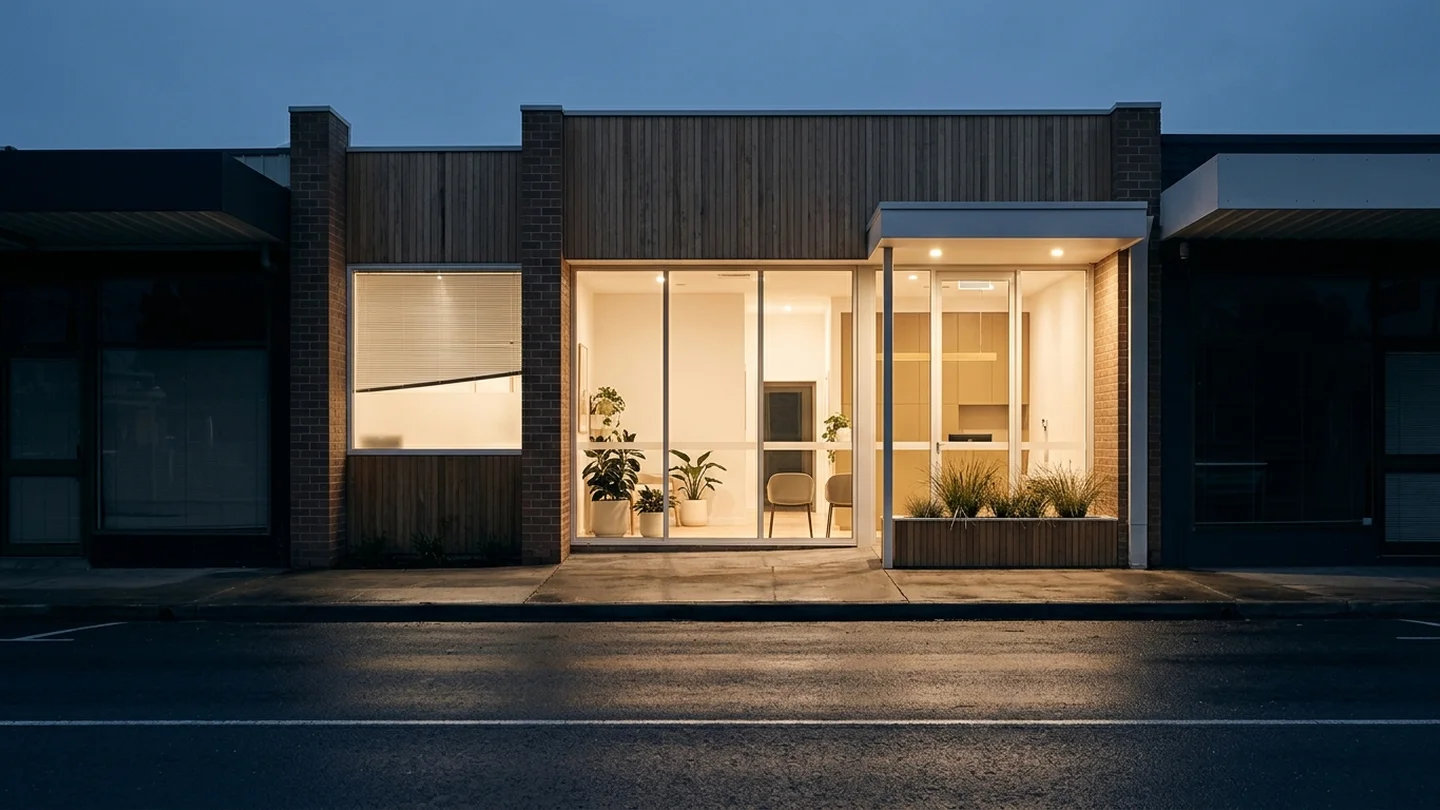
How an Established Dental Practice Stays Visible
Visibility is not automatic for established dental practices. Learn the real strategies that keep your practice at the top of local search and patient awareness.
Read more Dental marketing co.

Most dental About pages read like a résumé nobody asked for. They list degrees, years in practice, and a mission statement written in the passive voice, then stop. Patients who land on that page leave without booking because nothing on it told them whether this practice is the right fit for them.
Your About page is one of the most visited pages on your dental website, and it does two jobs at once. It helps a prospective patient decide whether to trust you enough to call, and it gives Google additional context about who you serve and where. Getting both right requires treating the page as a patient conversation, not a credential display.
Patients searching for a new dentist are making a personal decision. They are going to sit in a chair, open their mouth, and put their comfort in someone else's hands. Before they book, many of them will read your About page specifically to get a sense of the person behind the practice. A page that feels cold or generic does not clear that bar.
From a search perspective, your About page also adds meaningful content to your site. When the page mentions your city, your neighborhoods, the kinds of patients you see most often, and the services your practice focuses on, it reinforces the local relevance signals that Google uses when deciding which dental sites to surface for searches in your area. It is not a replacement for a well-built service page or a strong Google Business Profile, but it contributes to the overall picture your site presents.
Patients want to know who will be treating them. The most effective dental About pages open with the dentist as a person before listing credentials. Where did you grow up? What drew you to dentistry? What do you find genuinely interesting about the work? These details are not filler. They give a prospective patient something to connect with before they ever walk through your door.
Credentials still belong on the page, but they land better after the reader already has a sense of who you are. List your dental school, any continuing education that is directly relevant to the services you offer, and any professional memberships that matter to patients, such as affiliation with organizations focused on sleep dentistry or implants if those are central to your practice. Skip the exhaustive academic catalog. A patient reading your About page is not evaluating your CV.
If your practice has hygienists, a treatment coordinator, or front desk staff who patients interact with regularly, brief introductions build familiarity before a new patient arrives. A photo, a first name, and one or two sentences about their role and how long they have been with the practice is enough. The goal is to reduce the anxiety of walking into an unfamiliar place, not to document every employee.
Practices with multiple dentists should give each doctor a meaningful introduction rather than identical boilerplate. Patients who are comparing practices notice when two bios sound like they were generated from the same template.
Every dental About page says something like "we treat patients like family" or "we are committed to your comfort." These phrases register as nothing because every practice says them. If your philosophy is actually worth describing, describe it in specific terms.
Do you prioritize conservative treatment and avoid recommending procedures unless they are clearly necessary? Say that. Do you spend more time than average on new patient exams because you believe understanding a patient's full history changes the quality of care? Say that too. Specific commitments are credible. Vague warmth is not.
If your practice has made real investments in patient comfort, such as certain technology, sedation options, or a particular approach to anxious patients, the About page is a reasonable place to mention them in plain language. Keep it brief and tie it back to what the patient experiences, not the equipment itself.

Your About page should mention the city and general area you serve in natural, readable sentences. Something as simple as noting that your practice has been part of a specific community for a number of years, or that you see patients from the surrounding neighborhoods, adds local context that supports your site's relevance for area searches.
What you want to avoid is a paragraph at the bottom of the page that reads like a list of zip codes. Google is sophisticated enough to recognize that pattern, and patients find it off-putting. One or two genuine references to your location throughout the page are more useful than a block of stuffed geography.
After a patient reads your About page and feels good about what they found, the page should make it easy to act on that feeling. A short closing paragraph that invites them to schedule an appointment, along with a visible link or button to your scheduling page, removes the friction between interest and action. Patients who have to hunt for a phone number or a booking link after reading your About page often do not bother.
The language of that closing matters. "We would love to meet you" is warmer and more direct than "Contact us for more information." Keep it brief and make the action obvious.
Lead with the dentist. Patients making a booking decision want to know who will be treating them, and a personal introduction from the doctor builds the kind of trust that a practice-level description cannot. Team introductions and practice philosophy belong on the page too, but they work better once the doctor has been established as a real person.
Long enough to answer the questions a new patient actually has, and no longer. Most effective About pages fall somewhere between three hundred and six hundred words. If the page runs significantly longer than that, it usually means credentials or philosophy sections have expanded beyond what a prospective patient needs to make a decision.
Google has not confirmed a direct ranking credit for About page content specifically. What is widely believed among local search practitioners is that pages adding genuine local context, including the city served, the types of patients treated, and the services offered, contribute to the overall relevance signals Google reads across your site. The more significant effect is likely on conversion: a patient who connects with your About page is more likely to book than one who bounced from a generic bio.
A professional photo of the dentist is one of the highest-return elements on the page. Patients form immediate impressions from faces, and a clear, approachable photo reduces the uncertainty of booking with someone they have never met. Practices that include a genuine team photo alongside individual headshots tend to give prospective patients the strongest sense of what the experience of visiting will feel like.
Visibility is not automatic for established dental practices. Learn the real strategies that keep your practice at the top of local search and patient awareness.
Read more
Learn how dentists can turn online reputation into a steady stream of new patients by connecting Google reviews with local search visibility.
Read more
Fifteen minutes is enough for us to show you how many patients are searching in your area and what it would take to reach them.