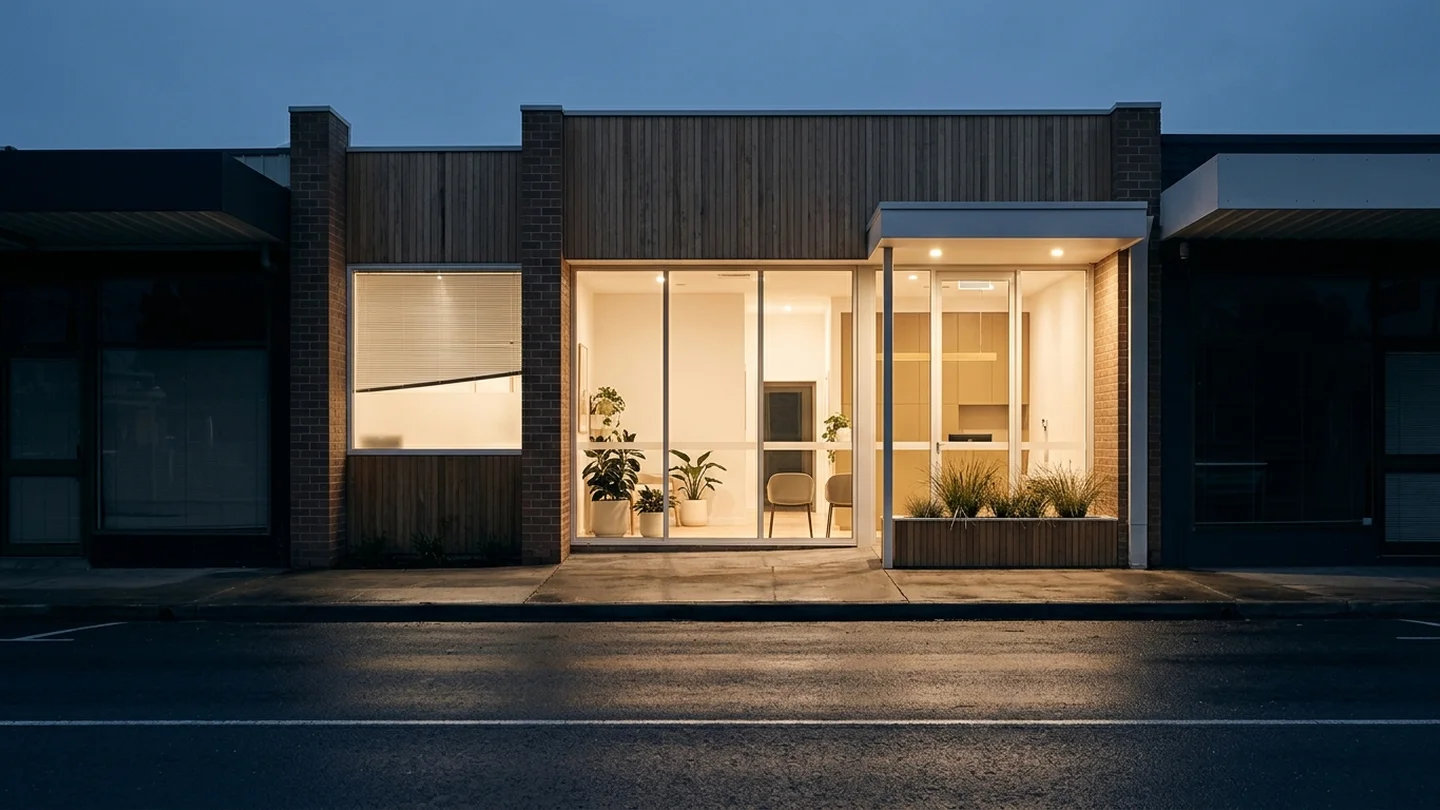
How an Established Dental Practice Stays Visible
Visibility is not automatic for established dental practices. Learn the real strategies that keep your practice at the top of local search and patient awareness.
Read more Dental marketing co.
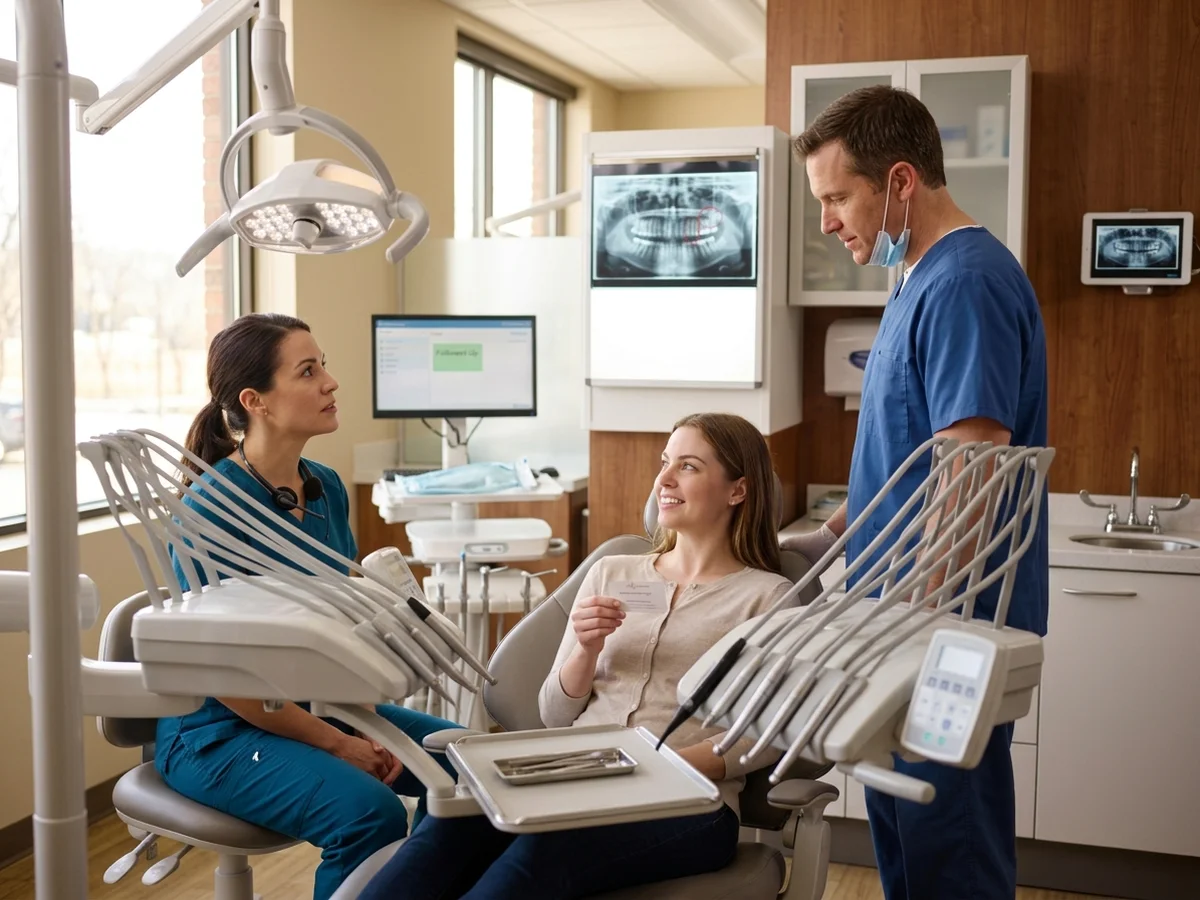
A prospective patient finds your practice online, likes what they see, and reaches out. Maybe they call during lunch and get voicemail. Maybe they fill out a contact form and wait. If they do not hear back quickly, they move on to the next practice in the search results. That moment, quiet and invisible, is where most dental practices bleed new patients every single week.
This is a fixable problem. Not with more advertising spend, and not with a bigger website. The fix is a follow-up system: a structured, prompt sequence of outreach that catches interested patients before they disappear. Practices that build this system consistently book a meaningfully higher share of the leads they already generate. This article explains exactly how to build one.
When someone searches for a dentist, evaluates a few options, and reaches out to your practice, they are at the peak of their intent. That window is short. Research consistently shows that response time is one of the strongest predictors of whether an inquiry converts into an appointment. The longer the gap between a patient reaching out and your practice responding, the lower the odds that patient ever sits in your chair.
Most dental front desks are stretched thin. Phones ring during procedures. Forms come in overnight. There is no realistic expectation that staff will catch every inquiry the moment it arrives. That is precisely why automated follow-up exists: not to replace your team, but to make sure no lead goes cold while your team is focused on the patients already in the office.
SMS has the highest open rate of any outreach channel by a wide margin. A short, friendly text sent within minutes of a missed call or a submitted form dramatically increases the chance of a response. The message does not need to be elaborate. Something like: "Hi, this is the team at [Practice Name]. We saw you reached out and we would love to help. When is a good time to connect?" That is enough. It signals that your practice is attentive and makes it easy for the patient to reply on their own schedule.
Email is slower than SMS but it carries more information and it lasts. A well-written follow-up email can remind a patient why they were interested in your practice, answer a common question or two, and include a direct link to your online booking page. Email works best as a second or third touchpoint after an initial text has gone unanswered.
Automation handles the first contact, but a real human voice closes the loop. Once a patient has responded to a text or email, or once a set amount of time has passed, a personal call from your front desk is the most effective way to get an appointment on the calendar. The automation earns the conversation. Your team books the visit.
You do not need a complex system. A basic three-step sequence handles the majority of situations.
After that initial sequence, a practice can add a softer follow-up two to three days later for leads that still have not responded. Beyond that point, frequency becomes counterproductive. The goal is to be helpful and present, not persistent to the point of annoyance.
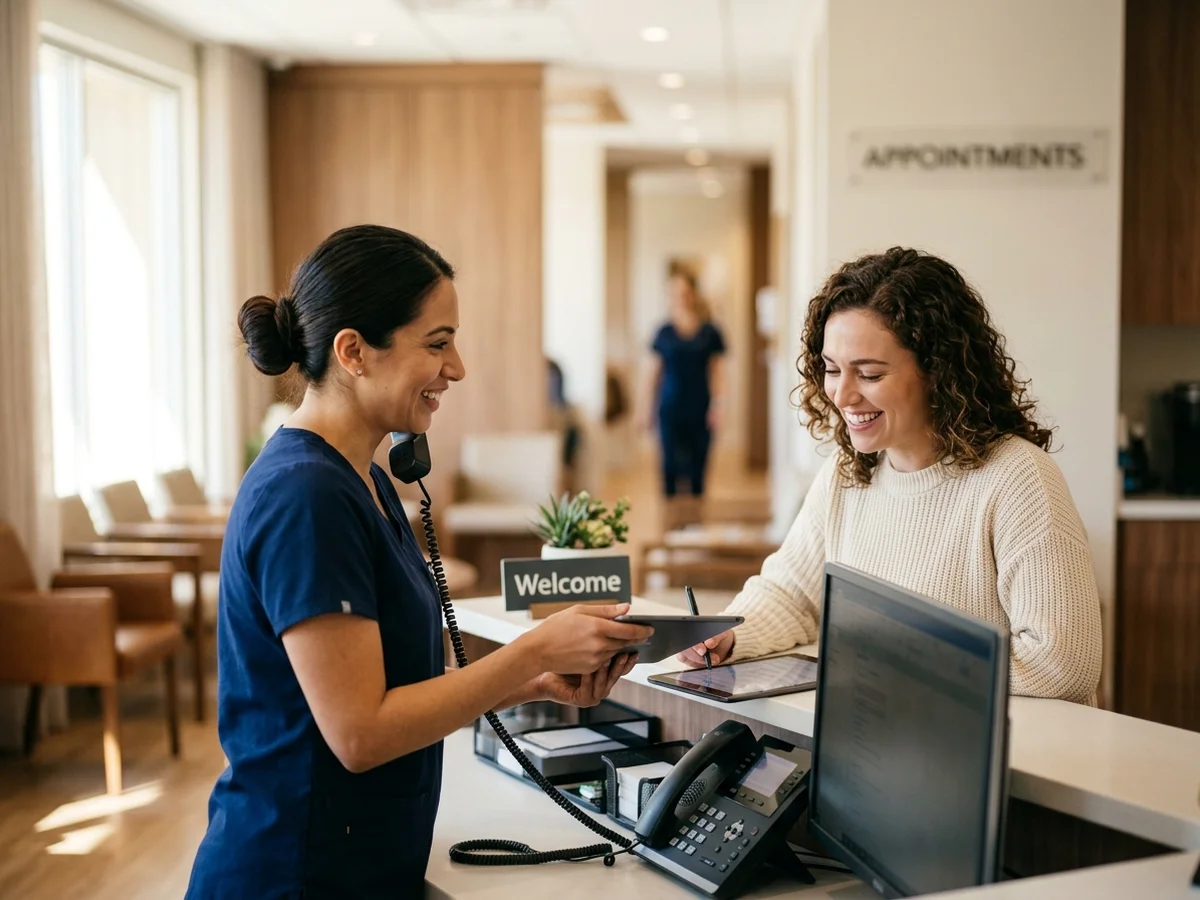
Follow-up sequences are not only for new inquiries. Lapsed patients, those who have not visited in over a year, represent a significant and underused source of appointments. These patients already know your practice. They do not need to be convinced to trust you. They just need a reason to come back.
A short reactivation sequence, typically two emails and an optional text, can bring a meaningful share of lapsed patients back into the schedule. Effective messages acknowledge the time that has passed without making the patient feel guilty, briefly highlight something of value such as a new service or a simplified booking process, and make it genuinely easy to schedule. A direct link to booking matters here. Every extra step between intent and action reduces conversion.
A few common mistakes undercut even a well-designed follow-up system.
Several practice communication platforms now include automated follow-up as a core feature. Tools built specifically for dental and medical practices can trigger sequences based on missed calls, form submissions, or gaps in appointment history. The setup takes time upfront, but once the sequences are live, the system runs without daily management from your team. Your staff focuses on patients in the building. The software handles the first outreach to patients who are not yet there.
Yes, when done correctly. Patients have grown comfortable with text communication from healthcare providers. The key is keeping messages brief, warm, and clearly identified as coming from your practice. Always include an easy way for recipients to opt out of future messages.
For a new inquiry, three to four touchpoints spread over two to three days is a reasonable ceiling before moving on. For lapsed patient reactivation, two messages per campaign, sent a few days apart, is typically sufficient. Quality and timing matter more than volume.
That is exactly why the automation step exists. The first one or two contacts happen without staff involvement. Your team only steps in once a patient has shown interest or once a scheduled follow-up call is due. The system reduces the burden on staff rather than adding to it.
Absolutely. In fact, higher-value treatment inquiries benefit most from a fast, attentive follow-up. A patient researching implants is likely comparing multiple practices at once. A prompt, personalized response positions your practice as more responsive and trustworthy than competitors who take days to reply.
Visibility is not automatic for established dental practices. Learn the real strategies that keep your practice at the top of local search and patient awareness.
Read more
Learn how dentists can turn online reputation into a steady stream of new patients by connecting Google reviews with local search visibility.
Read more
Fifteen minutes is enough for us to show you how many patients are searching in your area and what it would take to reach them.